The Gap Between Luxury Branding and Luxury Execution
In today's hospitality landscape, "luxury" has become one of the industry's most overused positioning terms. Hotels, restaurants, and service businesses aspire to it, brands market themselves with it, and premium pricing is often justified by it. Yet despite its popularity, luxury remains one of the most misunderstood concepts in the service industry.
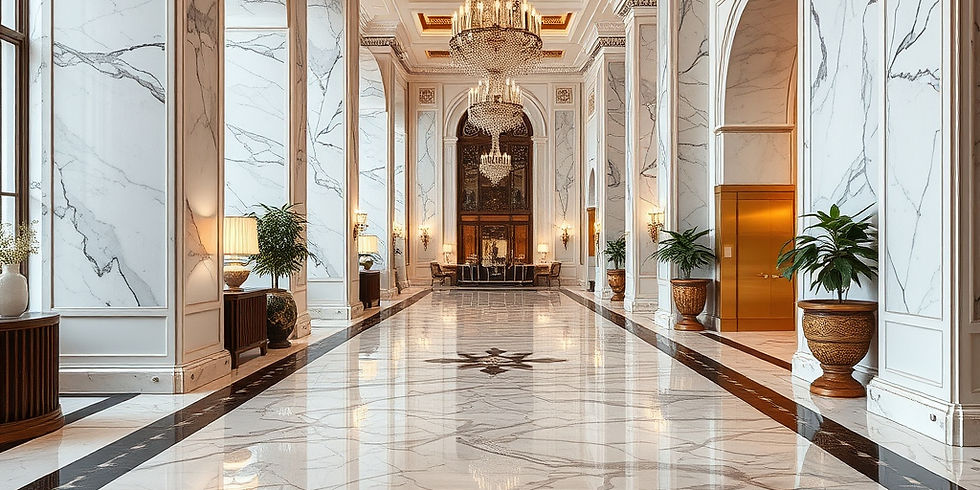
Too often, luxury is reduced to visible indicators: marble floors, thoughtfully curated interiors, premium amenities, high thread-count linens, elevated branding, or an impressive price tag. While these elements contribute to a guest's first impression, they do not create a luxury experience on their own. They establish expectations. Whether those expectations are fulfilled depends almost entirely on operations.
This is where I believe many organizations unintentionally miss the mark. Luxury is not simply an aesthetic. It is an operational art form.
At its core, luxury is the ability to remove friction from the guest experience so seamlessly that every interaction feels effortless, intuitive, and deeply personal. It is the front desk agent who greets you by name because the bell attendant quietly communicated your arrival before you reached the desk. It is returning to your room to find anniversary flowers waiting because you casually mentioned the occasion during check-in. It is a concierge who not only recommends a restaurant, but has already secured the reservation and sent the confirmation before you think to ask.
These moments often appear effortless to the guest. In reality, they are the product of intentional communication, thoughtful service design, empowered employees, and operational alignment across departments. Perhaps that is why I find luxury so fascinating.
Guests rarely remember every interaction they have during a stay, but they almost always remember how those interactions made them feel. That feeling is not accidental. It is designed. We often think of luxury as adding more: more amenities, more exclusivity, more expensive finishes, more elaborate offerings. Yet the highest forms of luxury often come from a feeling rather than an addition. Luxury removes uncertainty. It removes unnecessary waiting. It removes repetition, confusion, and the mental effort required to navigate an experience. The guest is free to simply enjoy the moment because someone else has already anticipated their needs.
That level of anticipation cannot be purchased through beautiful furniture or premium finishes alone. It is cultivated through culture, leadership, communication, training, and operational consistency. Every department plays a role in delivering it, often in ways the guest never notices directly. Which is ideally the case, to break the forth wall is almost a failure at higher levels of service.
Increasingly, I see organizations positioning themselves as luxury brands without making the operational investment required to consistently deliver a luxury experience. The result is a growing gap between brand promise and guest reality. Guests may admire beautiful spaces, but loyalty is built through exceptional service.
For hospitality leaders, I believe the more important question is no longer, "Do we look like a luxury brand?" Instead, we should be asking, "Are we operating with the precision, anticipation, and emotional intelligence that luxury requires?" That distinction is where guest experiences are either elevated or exposed.
This philosophy is at the heart of my work as a hospitality consultant and trainer. I help organizations bridge the gap between luxury branding and luxury execution by translating their service vision into operational practices that employees can deliver consistently. Because true luxury is not created by what guests see. It is created by what they never have to think about.
Comments